
Celebrating 150 Years
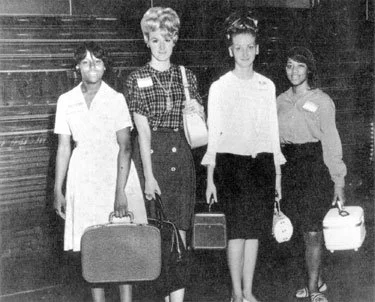
For 150 years, YWCA Metropolitan Chicago has shown up boldly for women, girls, and families, advancing racial and gender equity, strengthening economic mobility, supporting health and well-being, and helping communities thrive.
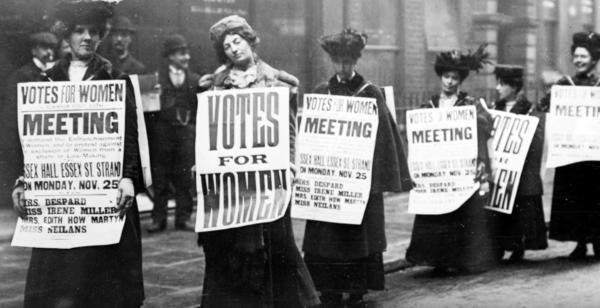
Since 1876, generations of women, leaders, advocates, and partners have shaped our impact. Through changing times and movements, we have remained unwavering in our commitment to breaking down barriers and creating lasting change across the Chicago region.
Our 150th anniversary is both a celebration and a call forward.
We honor those who have used their voices, influence, resources, and leadership to bring us to this moment. But 150 years is not the finish line. It is the foundation for what comes next.
Our legacy is powerful. Our commitment is unwavering. And our mission is unfinished.
Key Dates in YWCA History
Our Mavens
-
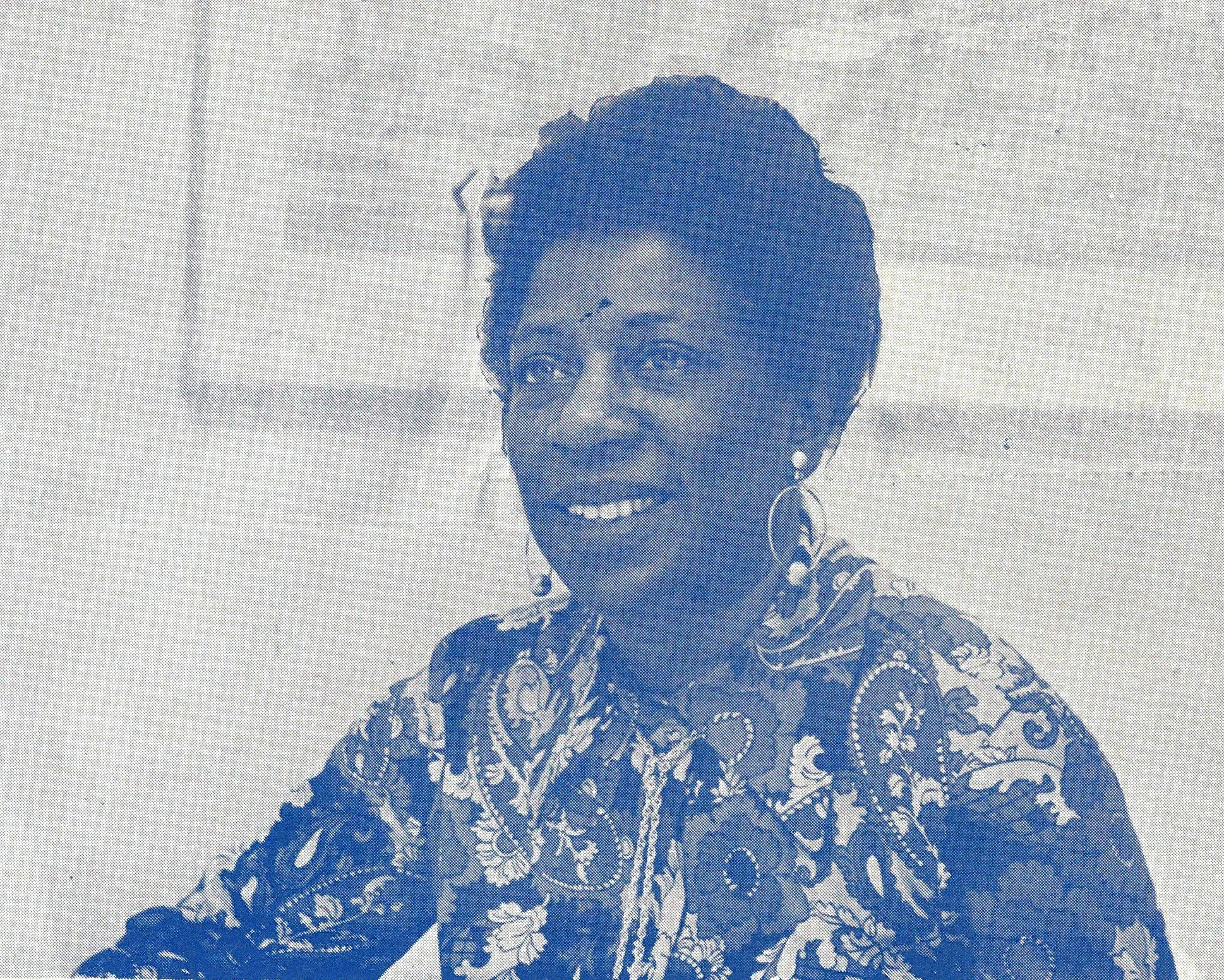
Miriam Cruz was a graduate of Shelton College and the University of Puerto Rico before she became the program director of our Woodlawn-based Teen program in the late 1960s, as well as director of YW's Program for Spanish Speaking People. After organizing a trip of YW Chicago delegates to Puerto Rico, Cruz led a group of women who met with Mayor Daley to discuss how Chicago can best support its growing Puerto Rican population. During this time, Cruz served on the National Board for the Nat'l Conference of Puerto Rican Women. Cruz departed the YW to serve in Mayor Bilandic's administration. She was then recruited into Jimmy Carter's National Advisory Committee for Women, during which she was recruited as Carter's deputy assistant for Hispanic Affairs. Cruz spent her retirement years working as an entrepreneur and nonprofit consultant for organizations in Chicago and Washington DC.
-
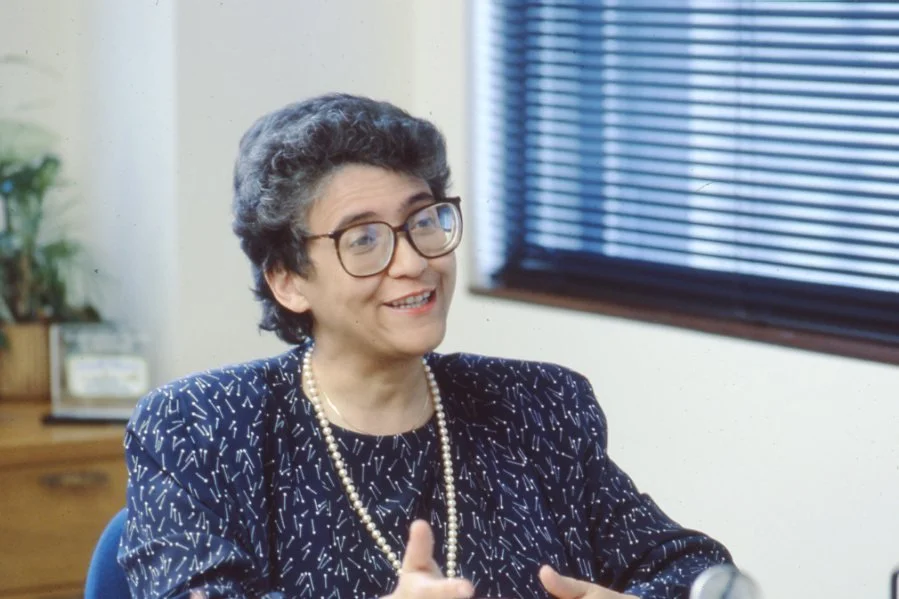
Arney H. Johnson was part of our YWCA story for decades, growing from a convention participant in the 1940s into a leader serving communities across Chicago. From our Woodlawn Center and West Side YWCA to her leadership of the Harriet M. Harris YWCA, Johnson brought her commitment to community beyond our walls, helping strengthen the neighborhoods we served.
-
Audrey R. Peeples led our YWCA through a period of tremendous growth and transformation, serving as CEO from 1987 to 2001. Under her leadership, we confronted racist practices within our own organization, expanded childcare, strengthened violence and pregnancy prevention efforts for young people, and introduced cancer education and screening for women. Our reach grew alongside that work, with our annual budget quadrupling from $3 million to $12 million, helping us serve more women and families across the Chicago region.
-
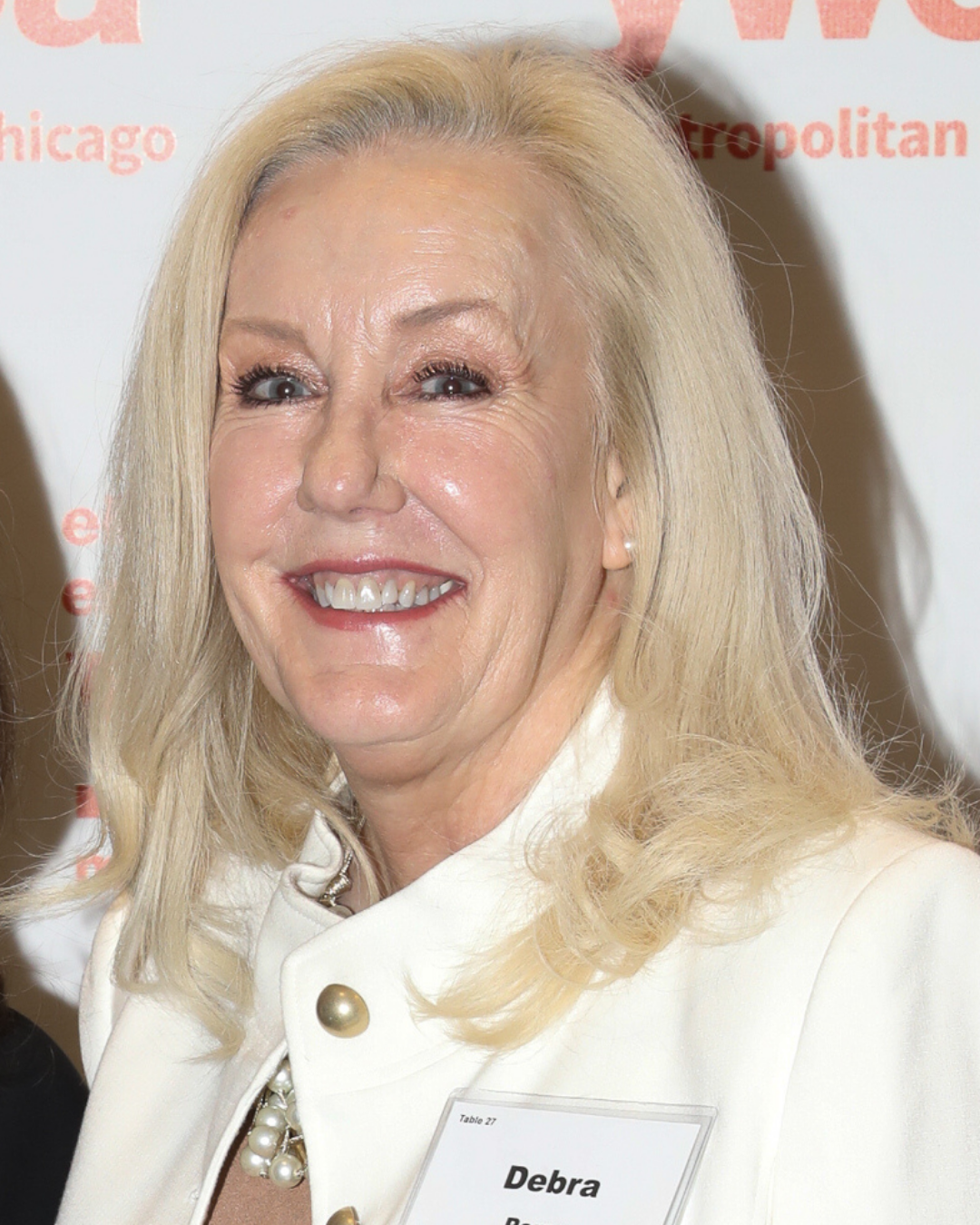
Debra Perry’s story with us began as a volunteer in the South Suburbs in 1987. She would become our first full-time advocate, helping transform how communities responded to gender-based violence, including creating standardized training for law enforcement officers and strengthening the systems survivors encountered when seeking support. She now works as our Senior Director, Advocacy & Crisis Intervention.
-
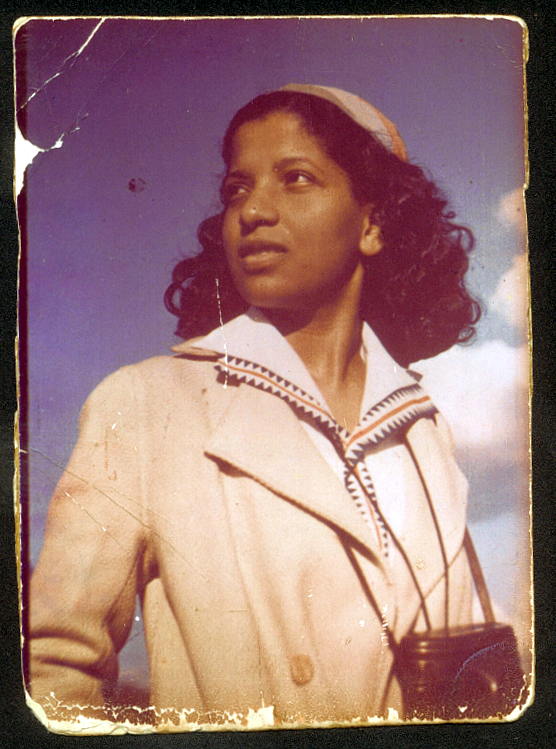
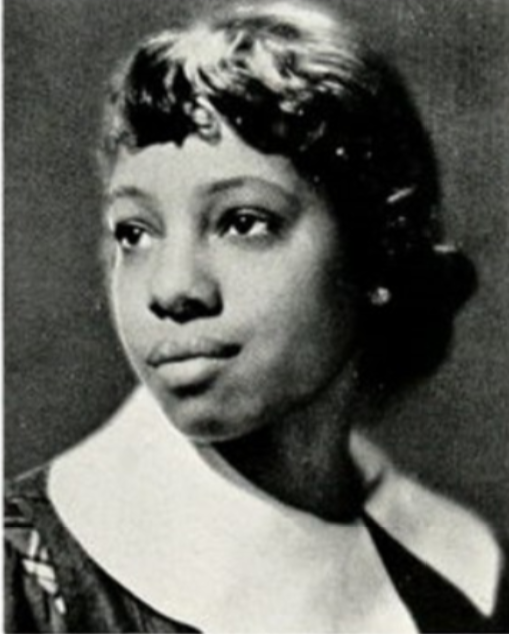
Marion Roberts made history with us as the first Black camp counselor in 1939 at our Forest Beach Camp. Her presence marked an important step in opening spaces that had not always reflected or welcomed the full diversity of the communities we were called to serve.
-
Mildred Slaughter’s place in our history is one of courage and persistence. As the first Black resident of our McCormick Center, she challenged a discriminatory policy that prevented her from becoming a permanent resident. Although she was forced to leave in August 1944, the policy was repealed just months later and Slaughter remained connected to the YWCA throughout her life.
-
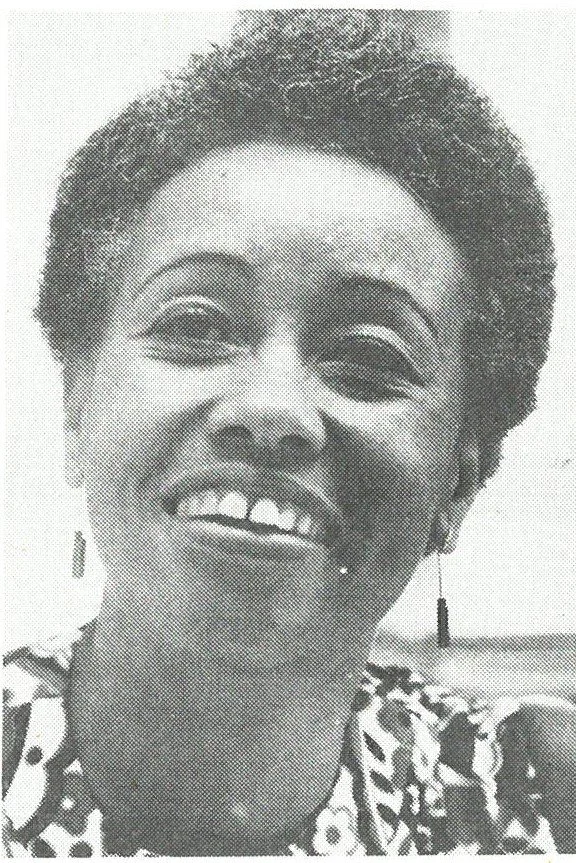
Jane Heckman had a passion for civil and women’s rights from a young age. She started her career in public service at 16, where she worked alongside Reverend Jim Robinson in 1940s Harlem. After she graduated from Barnard College in 1941, she began working for a YWCA in New York City. As she worked toward her Masters in Social Work, Jane worked in schools in Detroit, Pittsburgh, and Chicago. It was in the suburbs of Chicago where she would build her family and start her tenure with YWCA Metropolitan Chicago. At the time, the western suburbs had no YWCA presence. The YW’s Executive Director called on Jane to conduct a needs assessment of Chicago’s west suburban women. After completing a community analysis where she spoke with several DuPage County women, with Heckman’s recommendation, she helped found YWCA West Suburban in 1966. While Heckman served as YWCA West Suburban’s director for 21 years, she also helped launch DuPage Women Against Rape (DWAR), DuPage “Take Back the Night” YWCA’s Child Care Resource and Referral Program, alongside several more. It was Jane’s belief that all people should “have the ability to not only survive, but to thrive, grow, and be spectacular!”
-
Doris Vivian Wilson’s journey with us began as a YWCA member in 1949 and ultimately led her to become our Executive Director in 1969. Through decades of service and leadership, she helped define our responsibility for a changing era: to use our collective power to pursue equity for all, a charge that still speaks to who we are today.
Then & Now
-
![]()
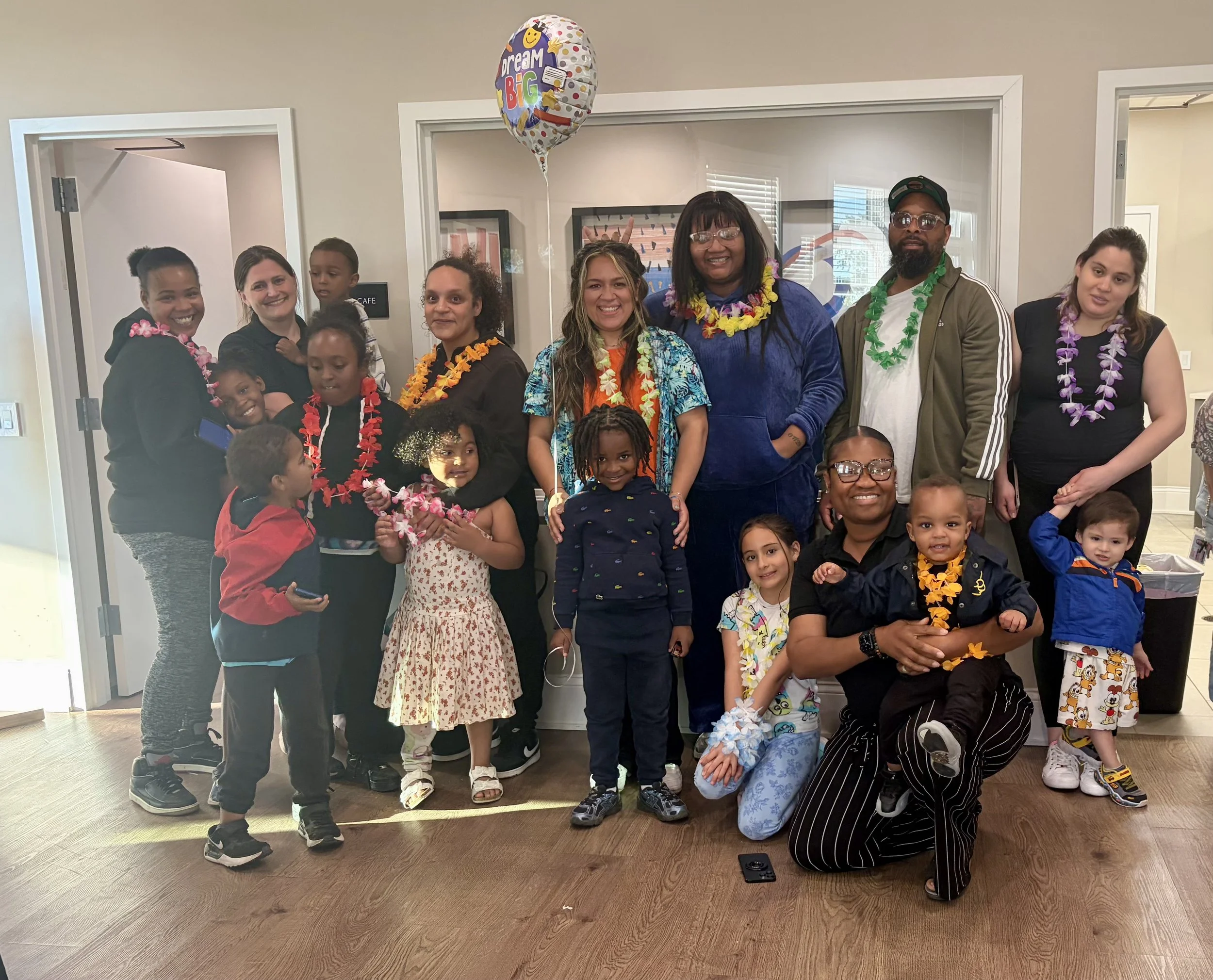
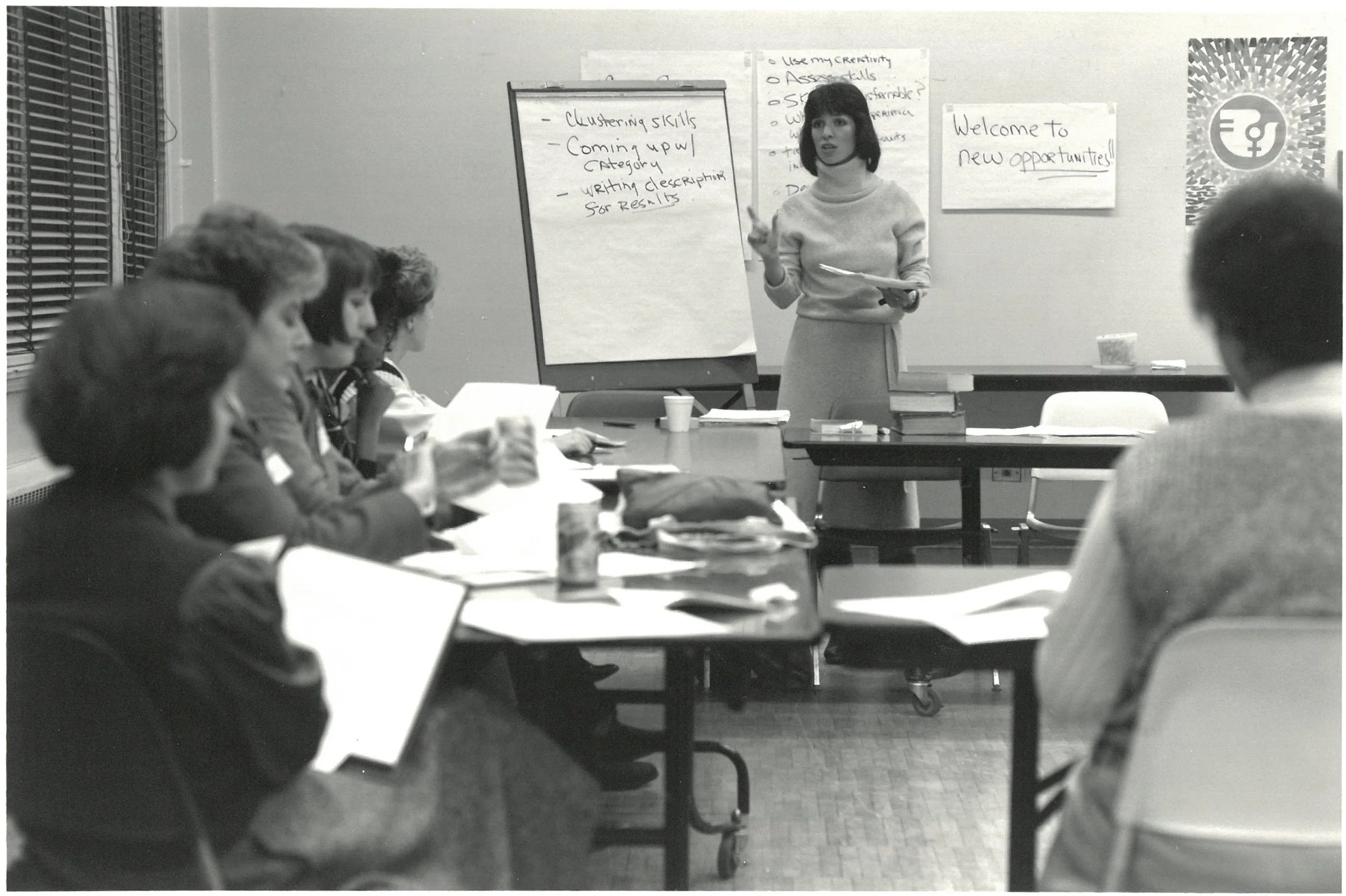
Then: Parent Education Workshops
-
![]()
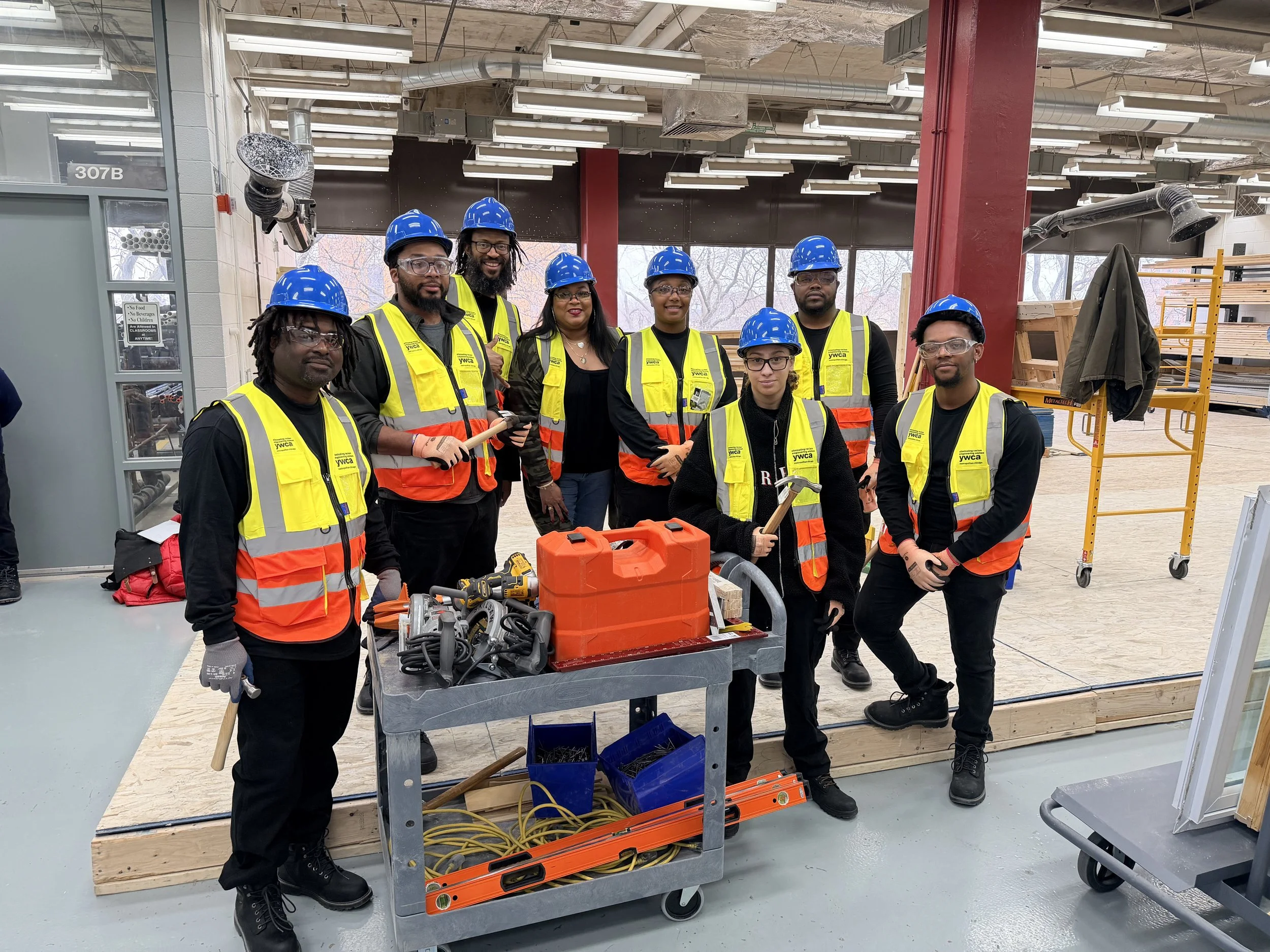
Now: Parent Education Workshops
-
![]()
Then: Workforce Development
-
![]()
Now: Workforce Development
-
![]()
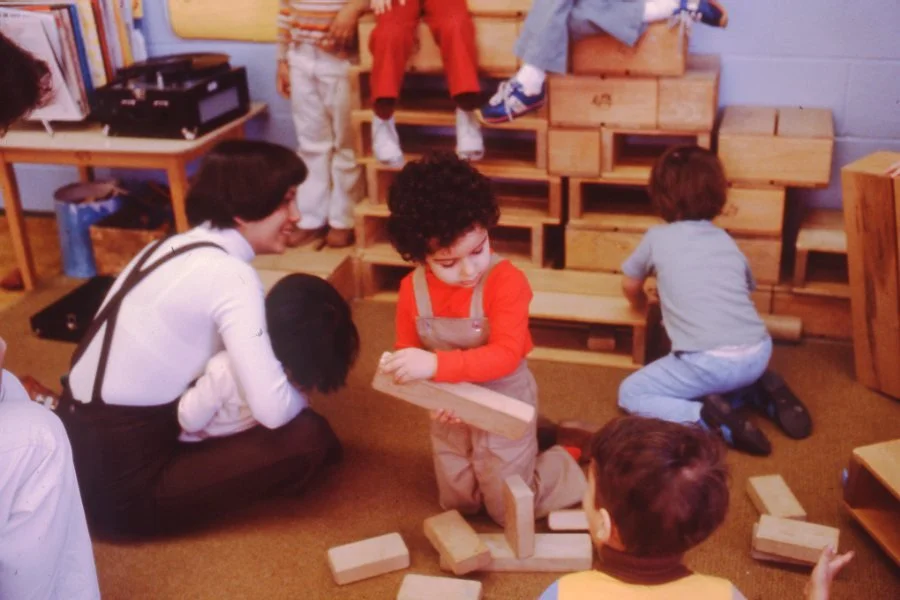
Then: Child Care/Head Start
-
![]()
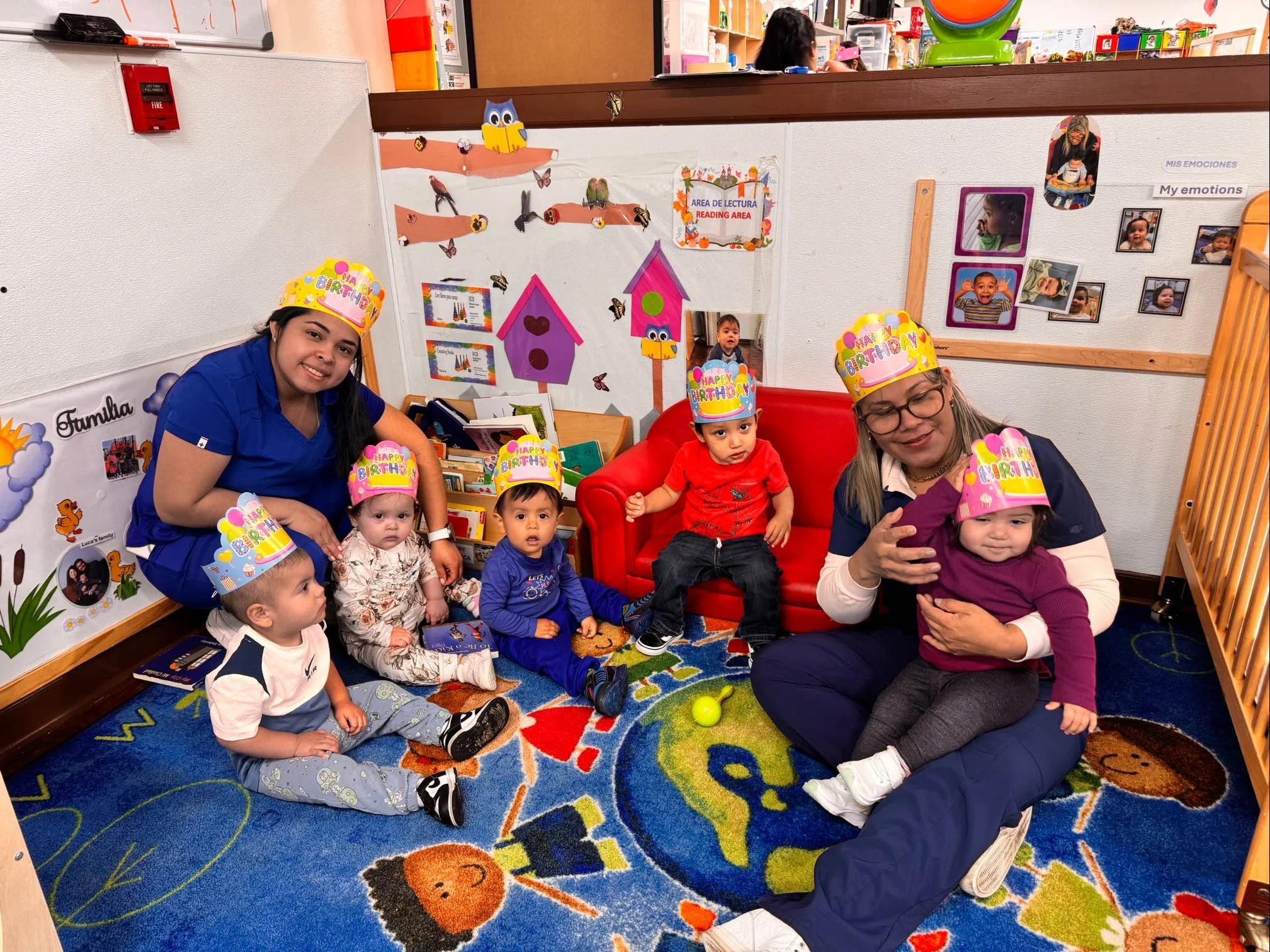
Now: Child Care/Head Start
-
![]()
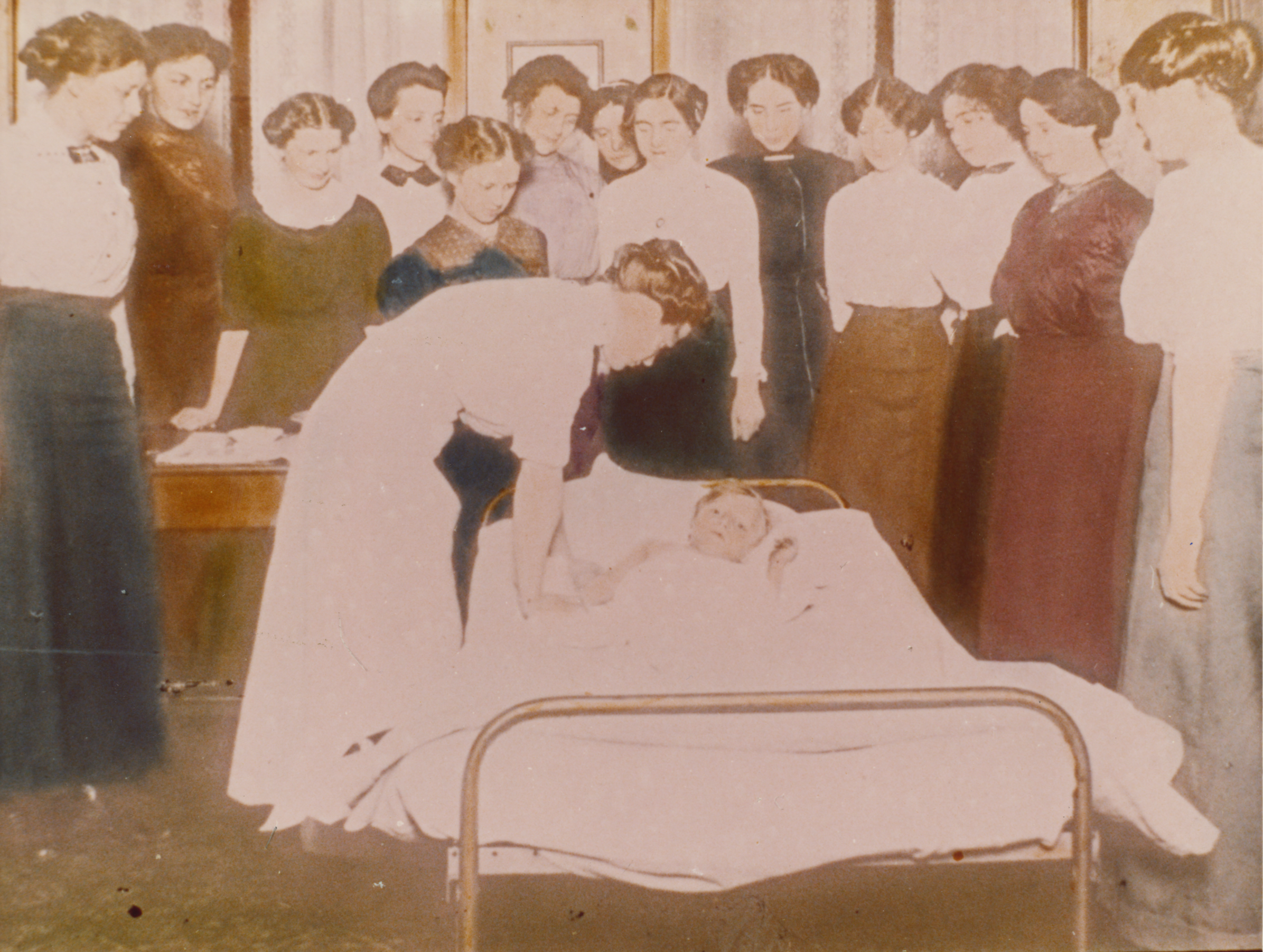
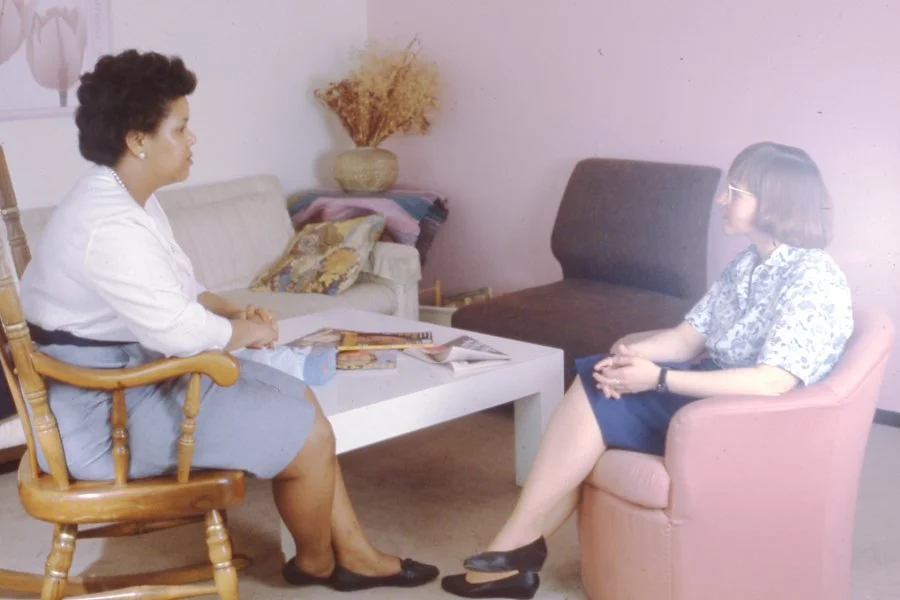
Then: Counseling
-
![]()
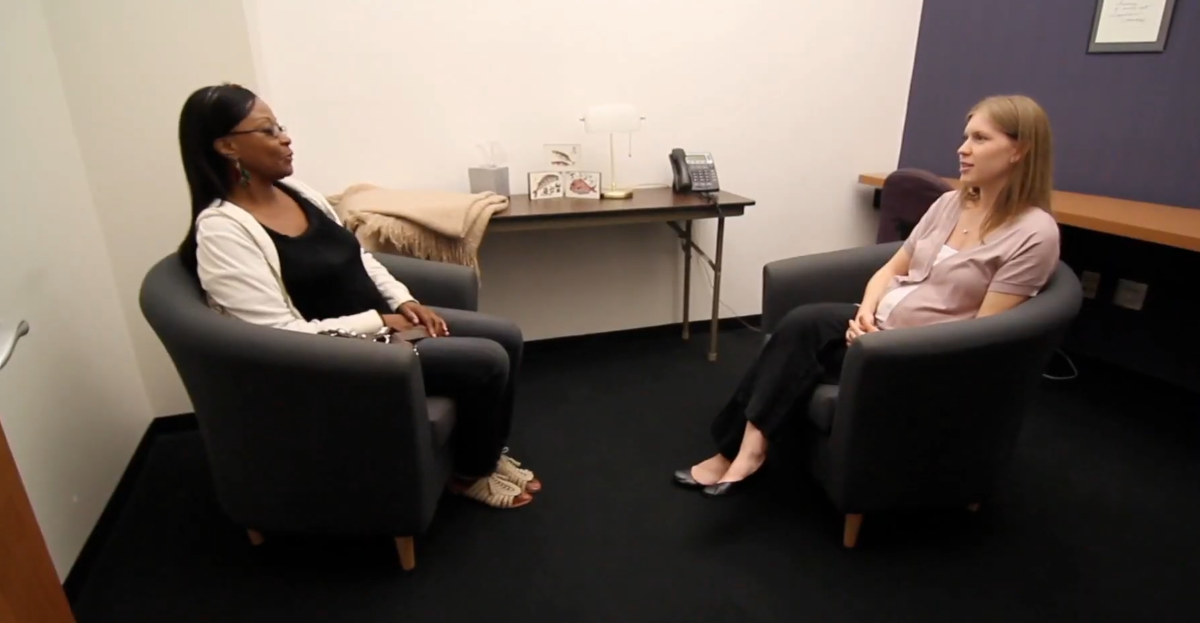
Now: Counseling
True or False
Flip each card and find out how well you know the history of YWCA Metropolitan Chicago.
🎉 Well Done!
You've reviewed all the cards!
Our Locations Through The Years
Current Centers
Former City of Chicago sites
Former Suburban Sites

Celebrate Online
Help spread our 150th year milestone on your social media channels using pre-drafted social media captions and images.
Share Your Story
You are living proof of our mission and your experience helps us strengthen and continue our work.